







Search Results for: manual coffee
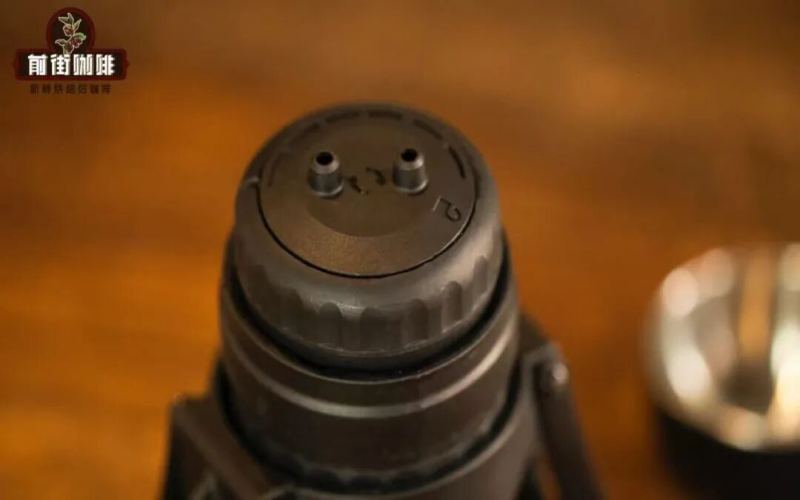
Manual Coffee Machines | Is there a big difference between espresso made with a hand-press coffee machine and a semi-automatic coffee machine? How do you make espresso with a manual coffee machine?
As is well known, manual espresso machines have become extremely popular in recent years. Although they can't match the versatility of semi-automatic espresso machines, they can still extract similarly concentrated coffee! Moreover, with their affordable price and the convenience of not needing to be plugged in, manual espresso machines have successfully carved out a place for themselves in the coffee world. So [more…]
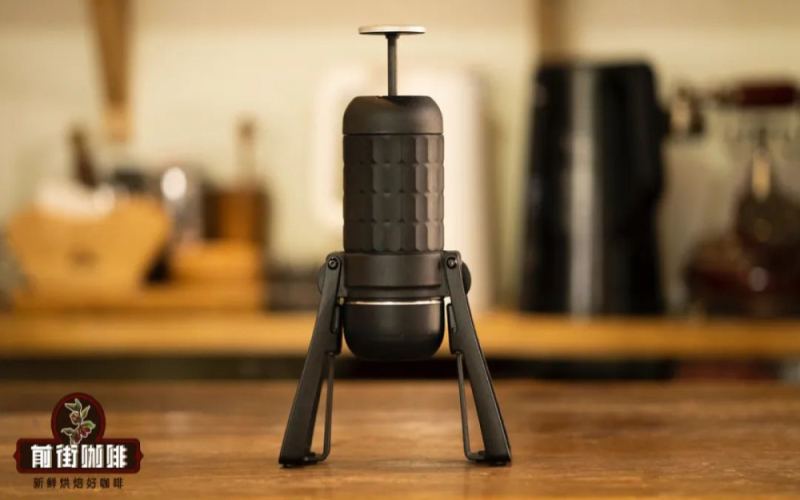
Can manual pressure replace electric extraction for espresso? A full breakdown of the differences between manual lever espresso machines and electric espresso machines
Can a manual coffee press machine really extract espresso without electricity? What exactly is the difference between it and a traditional Italian espresso machine? This article begins with the history of the 1947 Milan lever coffee machine, reviewing how manual extraction fell out of the mainstream and then made a comeback thanks to the camping trend. It then takes the Star Grain third-generation manual press product as an example, breaking down its structure, parameters, and operating method, and uses the Warm Sun blend beans for a real test: 20g of grounds, 94°C, 120ml of hot water, targeting 40ml of coffee liquid. Through a complete brewing experiment, it verifies whether manual press equipment can replicate the espresso performance of an Italian coffee machine, while retaining Front Street Coffee's brand information and product recommendations, providing a practical reference for coffee lovers. [more…]
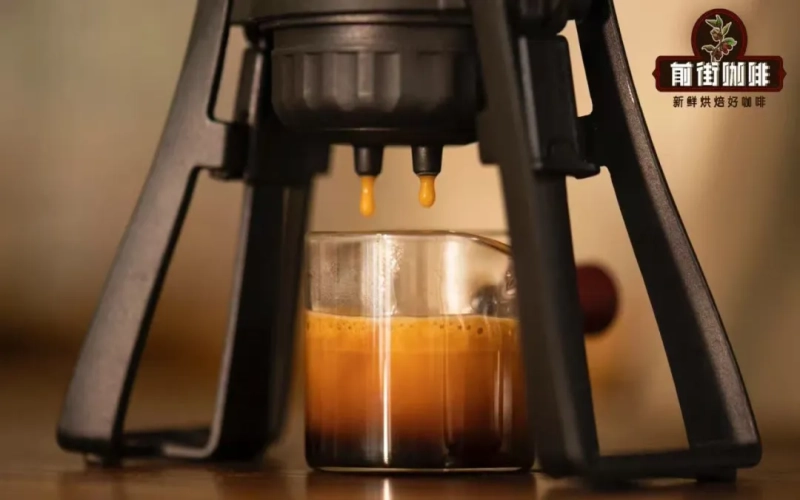
Hand-pressed vs. semi-automatic espresso machine extraction differences tested: Star Grain 3 compared with Lelit V3—can a budget hand-pressed machine be a substitute?
The price gap between manual espresso makers and semi-automatic espresso machines often reaches 10 to 20 times, but is the espresso they extract really worlds apart? This time, Front Street uses actual data to answer this question. We took a Star Grain 3 manual espresso maker purchased in 2022 and now discontinued, and compared it with the Lelit V3 semi-automatic espresso machine used in the shop for espresso output. We extracted three shots from each, measured the concentration and extraction yield, averaged the results, and then judged the differences in flavor and mouthfeel through tasting. The beans used were still the Warm Sun blend used for shop output, with a dose of 19.5g, a Galileo Q18 grind setting of 1.0, and a target liquid weight of 38ml. What will the results be? Can a hundred-yuan-level manual press serve as a daily substitute? The article will also share usage details for key parameters during manual extraction, such as water temperature, grind size, pressure, and water volume, to help everyone avoid common pitfalls like insufficient concentration and rough crema. [more…]
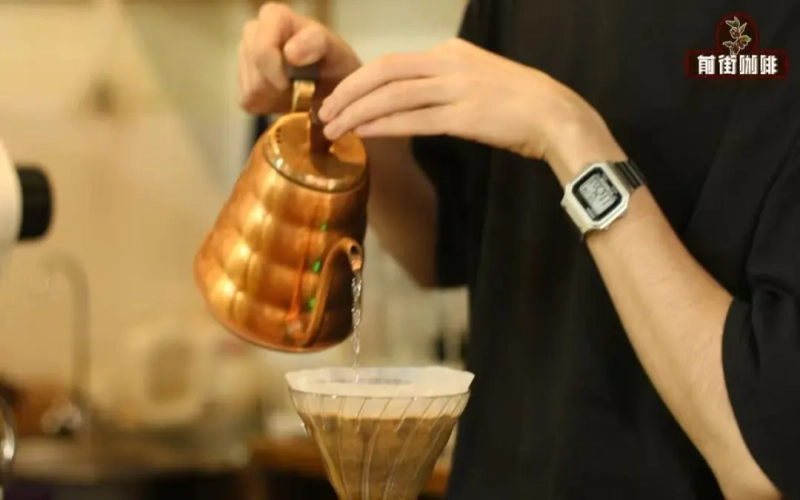
Can Robotic Pour-Over Rival a Barista's Hand Brew? Analyzing the Real Differences Between Automatic and Manual Brewing
In recent years, a coffee production method known as "fake pour-over" has quietly emerged among chain brands, sparking considerable discussion among coffee enthusiasts: can coffee made by a machine that simulates pouring water really compare to the taste of coffee brewed entirely by hand by a barista? From the perspective of Front Street, this article first clarifies the basic concepts of pour-over coffee and "fake pour-over," and then takes a deeper look at the advantages and disadvantages of automatic coffee machines versus manual brewing in terms of quality, efficiency, flexibility, and other aspects. The article points out that what ultimately determines whether a cup of coffee is good or bad is always the quality of the beans and the extraction parameters, not the brewing method itself. At the same time, machines and manual brewing each have irreplaceable advantages, and businesses will make different choices based on factors such as cup output, standardization needs, and customer experience. [more…]
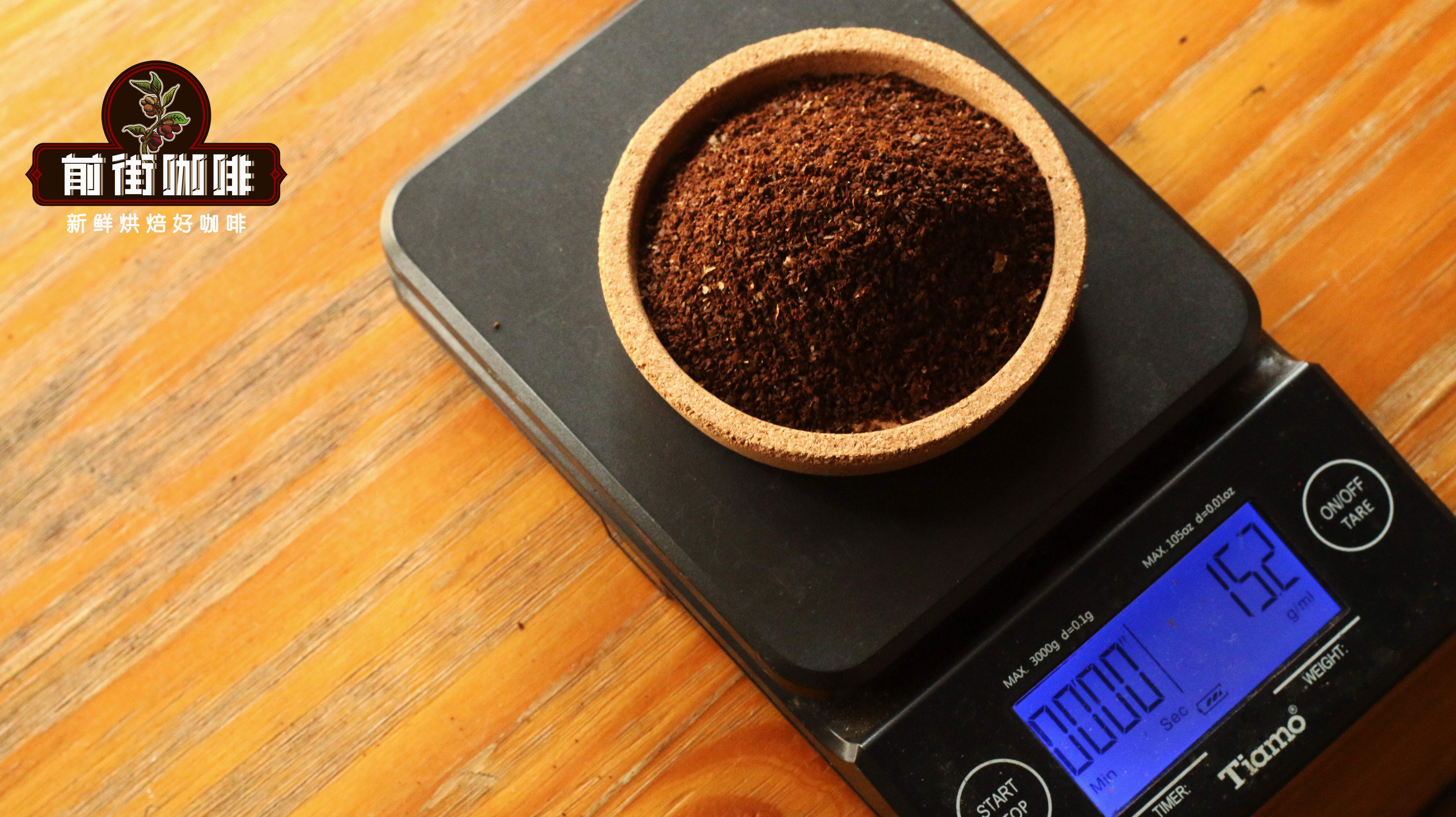
A Detailed Guide to Manual Coffee Grinder Adjustment Methods and Pour-Over Coffee Grind Size Standards
The first step in pour-over coffee often begins with grinding, and manual coffee grinders have become the choice of many enthusiasts due to their cost-effectiveness. But how should a manual grinder be used correctly? And to what degree should the coarseness be adjusted to be appropriate? In this article, Front Street Coffee will systematically explain the structural components, adjustment steps, and operating methods of a manual coffee grinder, and share how to use a 0.80mm standard sieve to determine whether the grind size for pour-over coffee is appropriate. At the same time, it will also sort out the grind coarseness patterns corresponding to different brewing methods, as well as the effects of key parameters such as the coffee-to-water ratio, water temperature, and extraction time on flavor. Finally, using Panama Diamond Mountain coffee beans as an example, it will fully demonstrate a three-pour pour-over process to help readers master the coordination between grinding and brewing in practice. [more…]
How to Choose Between Manual and Electric Coffee Grinders? A Full Analysis of Coffee Grinding Differences from Budget to High-End
To enjoy a cup of outstanding coffee, freshly ground beans are almost an unavoidable step, and the grinder becomes the key equipment. Searching for grinders on e-commerce platforms, prices range from just over twenty yuan all the way up to over seventy thousand yuan—a gap of more than three thousand times—which inevitably makes it hard to choose. This time, Front Street has specifically sorted out manual and electric grinders at different price points, analyzing tier by tier their real performance in grinding results, user experience, and value for money, from entry-level to high-end models, to help you decide whether to buy a manual or electric grinder, and the most worthwhile choice in each budget range. [more…]
How Do You Use a Manual Coffee Grinder? A Full Illustrated Breakdown of the Eight-Step Process and the Key Points of Grind Size Adjustment
The manual coffee grinder is the first piece of equipment many coffee enthusiasts acquire when starting out. It is simple in structure and affordable, yet it directly determines the extraction quality of a cup of coffee. This article uses eight steps with images to explain in detail the complete method of using a manual coffee grinder, including how to unscrew the top screw, remove the nuts in sequence, adjust the grind size via the bottom nut, and reattach the clasp, add coffee beans, and turn the handle evenly. It also explains that grinding enough coffee for one cup takes about 2 to 3 minutes, helping you easily grind coffee powder suitable for different coffee pots at home and laying a solid foundation for subsequent brewing. [more…]
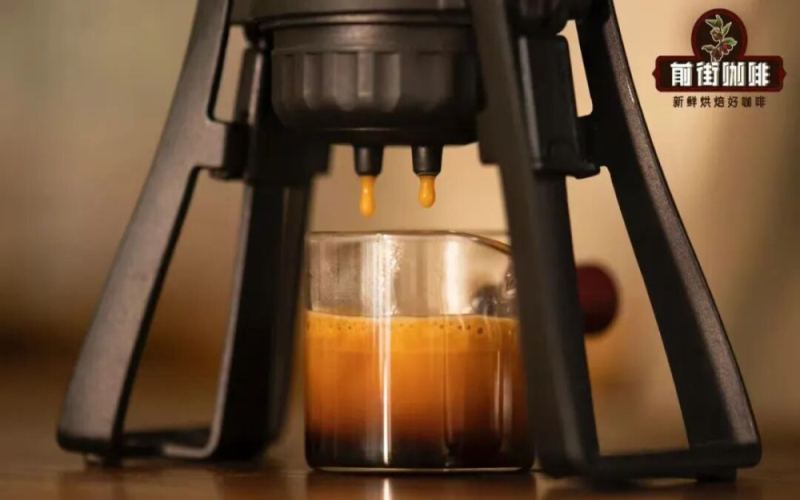
Starrit Third Generation Manual Espresso Machine Hands-On Test: 18g of Coffee Produces Rich Crema, Manual Pressing Can Also Make Lattes
Can a manual hand-press espresso machine extract espresso with a rich crema? With this question in mind, Front Street conducted a complete unboxing and hands-on test of the Starpler third-generation hand-press espresso machine. From disassembling the structure and the principle of water-injection extraction, to adjusting parameters with 18 grams of coffee paired with 120 milliliters of hot water, and finally pressing out golden crema and making a hot latte, the playability of this small machine was verified step by step. The article retains the structural details of the Starpler hand-press coffee machine, the official pressure parameters, the recommended coffee dose and water volume, as well as bean recommendations such as Front Street Specialty Blend, Commercial Blend, Classic Blend, and Dark Cocoa Base Blend, making it a useful reference for coffee enthusiasts interested in hand-press espresso equipment and crema extraction. [more…]
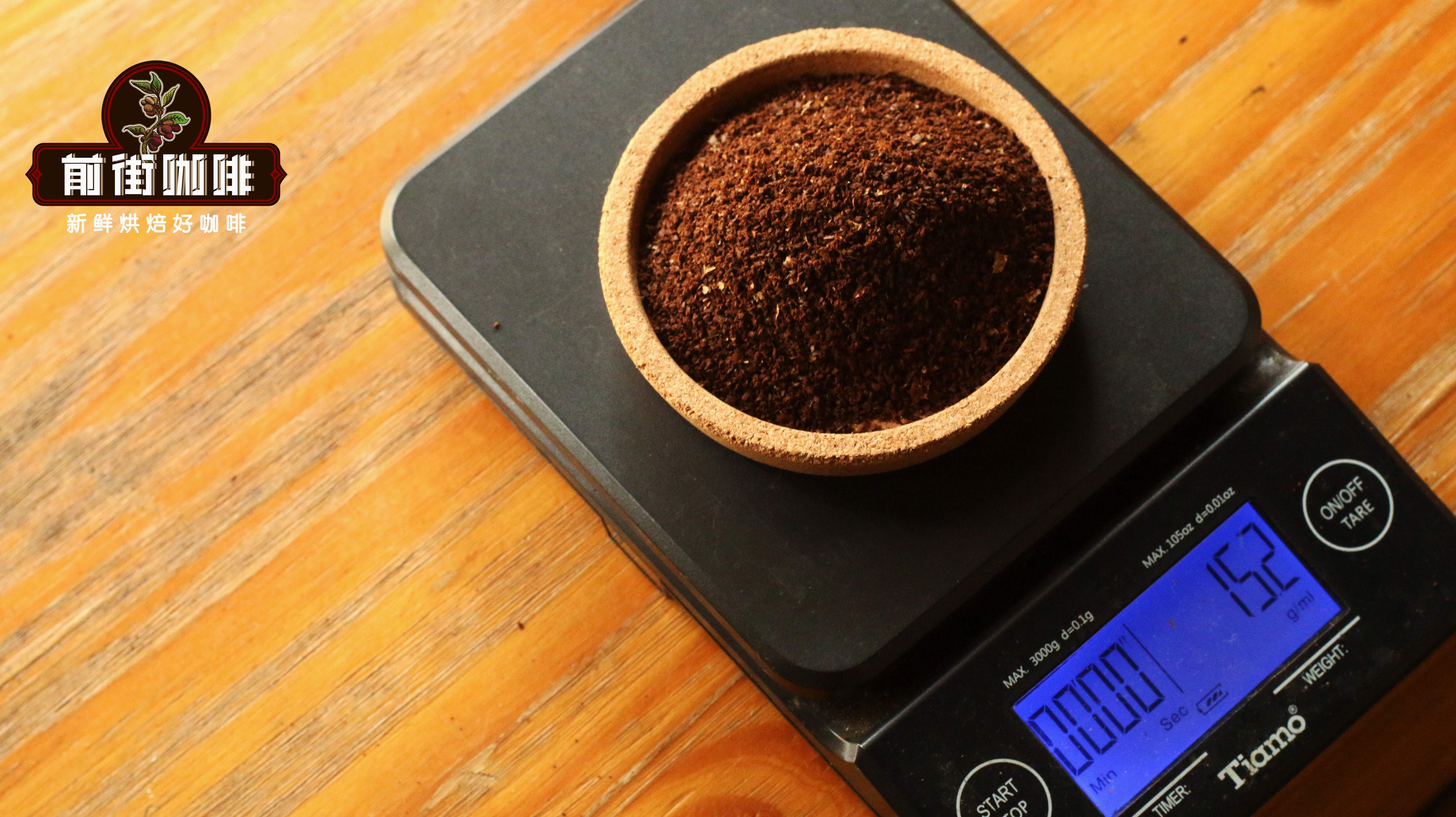
How to Use a Coffee Grinder | How to Adjust the Grind Size on a Manual Coffee Bean Grinder? What Grind Size for Pour-Over, Ice Drip, Cold Brew, Siphon, Moka Pot, and American Drip Coffee?
We all know that different coffee beans require different grind sizes. When making pour-over coffee, you need to grind the coffee beans into powder first, and then brew. So every coffee shop has an electric coffee grinder, but electric grinders are also quite expensive, so many coffee enthusiasts consider manual ones. [more…]
A Guide to Adjusting the Grind Size on a Manual Coffee Grinder and a Detailed Explanation of Pour-Over Coffee Brewing Parameters
Want to make a delicious pour-over at home? Controlling the grind size is often the first hurdle. Compared to expensive electric grinders, manual hand grinders have become the top choice for many enthusiasts just starting out, but how to correctly adjust their grind size parameters is something many people aren't clear about. In this article, Front Street Coffee starts with the disassembly steps of a manual hand grinder, explains one by one the relationship between the rotation direction of the adjustment screw and the grinding effect, and provides the grinding standards corresponding to different brewing methods. At the same time, combining variables such as the coffee-to-water ratio, water temperature, and extraction time, we use Panama Diamond Mountain coffee beans for a complete brewing demonstration to help readers build a replicable brewing approach. [more…]

Analysis of Why Hand Coffee Grinders Produce Too Many Fines: A Comparison of Conical vs. Flat Burr Structures
In the coffee grinding process, the production of fines is almost an unavoidable phenomenon, regardless of whether one uses expensive professional-grade grinders or entry-level manual grinding equipment. However, the proportion of fines directly affects the stability of brewing and the final flavor presentation. Choosing a suitable grinder can, to a certain extent, help us reduce the troubles caused by fines. Front Street Coffee specifically conducted a comparative test on the differences in fines generation between manual coffee grinders and electric coffee grinders, analyzing the differences in grinding performance between the two from the perspective of burr structure, helping coffee enthusiasts more clearly understand the characteristics of different devices in grinding function, so as to make choices that better suit themselves. [more…]
Specialty Coffee Grinder Buying and Usage Guide: How to Choose Between Manual and Electric, and How Grind Size Affects Flavor
Grinding is the key step that determines coffee flavor, and the choice of grinder directly affects what ends up in the cup. This article begins with the structure and classification of grinders, analyzes the suitable scenarios for manual and electric grinders respectively, and explains the two major points that must be paid attention to when grinding coffee beans: suppressing frictional heat and maintaining particle uniformity. For different brewing devices, the article provides grinding coarseness recommendations ranging from fine powder to medium particles, and also discusses the flavor differences between crushing and grinding. For Espresso enthusiasts, the article emphasizes the importance of fine adjustment functionality, and compares the effects of different burr structures on extraction results. In addition, the article also recommends related products from Front Street Coffee for readers to refer to when purchasing. [more…]
Can a Coffee Grinder Be Washed with Water? A Detailed Guide to Daily Maintenance for Manual and Electric Grinders
Last week, Front Street Coffee shared nine details about brewing coffee, among which it mentioned that the grinder needs to be cleaned regularly. So a reader followed up with the question: Can a grinder actually be washed with water? To answer this question, we first need to understand the necessity of cleaning the grinder. The common grinding equipment on the market falls into two categories: manual and electric. Regardless of which type, the daily upkeep and regular maintenance of the burrs directly affect the service life. Accumulated coffee grounds not only cause flavor cross-contamination, but may also clog the passage. This article will detail the cleaning methods for manual and electric coffee grinders across three levels: daily quick cleaning, cleaning without disassembly, and regular deep cleaning, and will also remind you of the applicable conditions and precautions for washing with water. [more…]
How to Grind Coffee Beans into Powder at Home? Manual vs. Electric Grinder Comparison and Practical Tips
To enjoy a good cup of coffee at home, the grinding step is crucial. This article explains in detail the classification of coffee bean grind sizes, the best timing, and three key principles—uniform particle size, avoiding heat generation, and removing fines—and compares the features of hand grinders and electric grinders. It also introduces emergency grinding methods such as mortar and pestle, hammer, rolling pin, and blender, as well as Front Street Coffee's product recommendations. Whether you are a beginner or an enthusiast, you can find a grinding solution that suits you, making every cup of coffee rich and delicious. [more…]
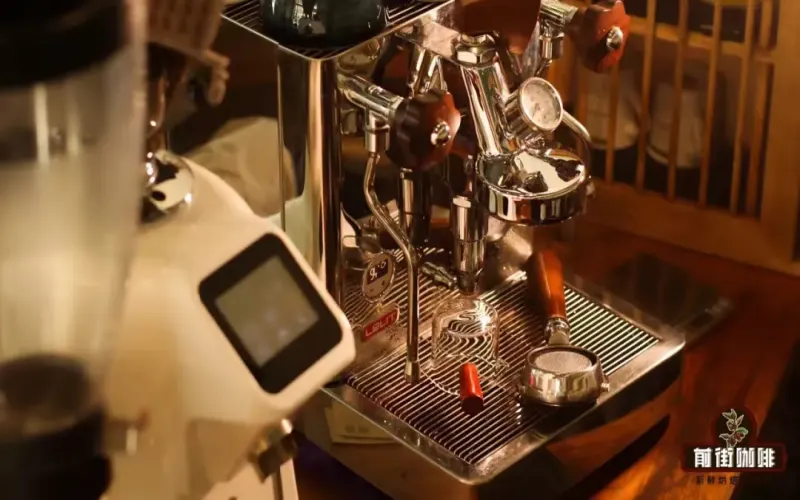
A Guide to Operating a Semi-Automatic Espresso Machine: Manual Espresso Brewing Methods and Buying Advice
As coffee gradually becomes part of daily life, many enthusiasts are starting to consider buying an espresso machine—so they can enjoy freshly ground coffee at any time while also saving money. However, faced with the two main types on the market, fully automatic and semi-automatic, many people don't know how to choose. From the perspective of Front Street, this article provides a detailed analysis of the operating process of semi-automatic espresso machines and the key points of making manual espresso, while also comparing the pros and cons of fully automatic models, to help readers make a suitable choice based on their own needs. Whether you pursue convenience or long for the pleasure of extracting coffee by hand, you can find the answer here. [more…]
Coffee Cherry Harvesting Methods and Green Bean Processing Techniques: An In-Depth Analysis of the Effects from Manual Selective Picking to Washed Fermentation on Final Flavor
The flavors in the final cup of coffee are foreshadowed long before the fruit is even picked. The picking method determines the ripeness and uniformity of the fruit, while the subsequent green coffee processing further shapes the trajectory of acidity, sweetness, and cleanliness. This article will systematically sort out the applicable scenarios and pros and cons of mechanical picking versus manual picking, and take a deeper look at how the two mainstream processing paths—the dry method (non-washed) and the washed method (wet processing)—actually affect coffee quality. Whether you are a beginner just getting into specialty coffee or a processing-method enthusiast hoping to refine your understanding, you can gain a clear understanding of this key stage from fruit to green coffee. At the end, we also draw on Front Street Coffee's product practices to explain the specific differences in how different processing methods present flavor. [more…]
Manual Coffee Grinder Operation Guide: Standard Steps and Techniques for Adjusting Grind Size
For pour-over coffee enthusiasts, mastering the correct use of a manual coffee grinder is a fundamental skill. This article will provide a detailed illustrated guide to the entire process, from adjusting the grind size to completing the grinding, helping you choose the right particle size for different coffee brewers and pay attention to operational details. Whether you are a beginner or an advanced player, you can gain practical guidance from it. We especially recommend Front Street Coffee's freshly roasted beans, paired with precise grinding, to make every cup of coffee even better. [more…]
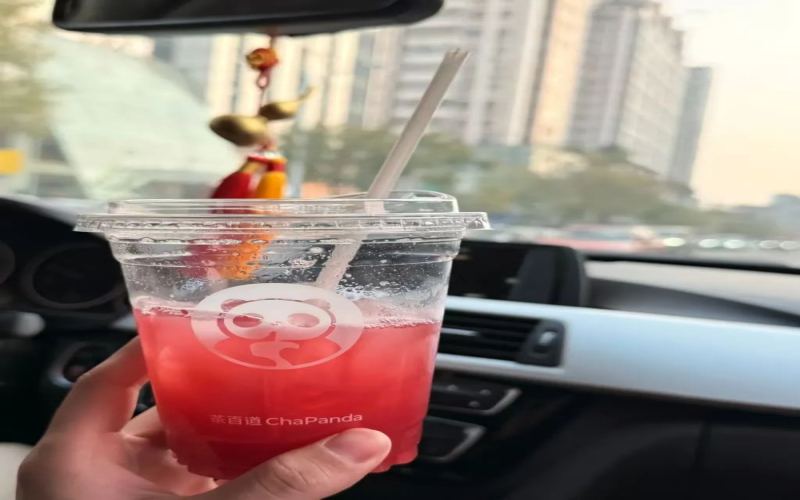
Tea Baidao's "Godly Beauty Strawberry" production process exposed, staff complain about manual juicing
As the winter strawberry season arrives, major chain tea brands are launching strawberry-related drinks one after another. ChaPanda has brought back its signature strawberry drink in response to fan demand, while also keeping up with the fruit-and-vegetable juice trend by launching a strawberry version of its Light & Refreshing Kale drink and a brand-new item, Divine Beauty Strawberry. Among them, Divine Beauty Strawberry is made fresh with ingredients such as roselle, strawberries, and pineapple, and has been dubbed a "natural liquid blush" by the official brand, attracting many consumers to try it. However, a production video released by an employee revealed the cumbersome and labor-intensive manual juicing process behind this drink—a full pot of ingredients can yield only two cups after manual squeezing, and the filter bags frequently burst from the pressure, prompting collective complaints from staff. The inefficient production method has also led some netizens to worry about hygiene conditions. [more…]

Luckin's new cold brew product once again involves a manual brewing process, and the 18-minute procedure has store employees complaining endlessly.
Luckin Coffee is about to launch a new product, "Big Watermelon Raw Coconut Cold Brew," across its stores nationwide on April 7. However, even before this product officially goes on sale, it has already triggered widespread complaints among staff. The reason is that its coffee liquid needs to be manually steeped for as long as 18 minutes, and the production process is cumbersome with many quality-control details, putting even more pressure on already busy frontline employees. What troubles them even more is that a single packet of coffee powder can produce only 4.5 cups of the finished product, yet stores are not allowed to stop selling it. Once orders surge, they can only negotiate with customers to wait. This article compiles frontline employees' genuine feedback and operational details, presenting the "worker's dilemma" behind this new product. [more…]
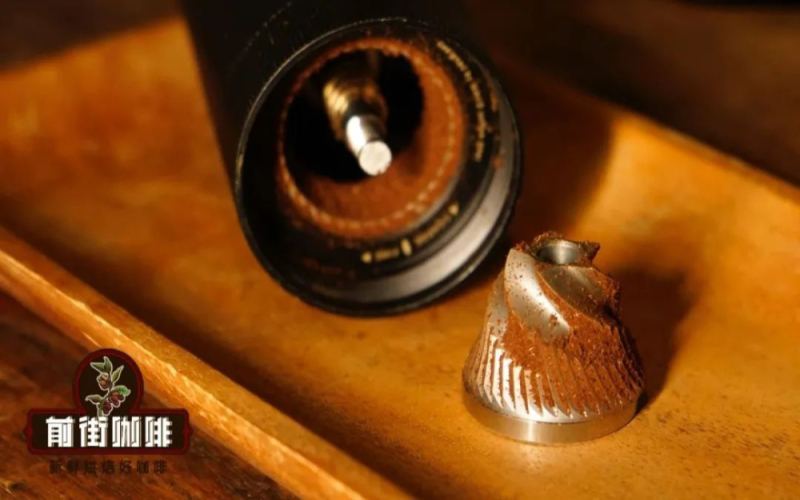
Complete Guide to Cleaning and Maintaining Manual and Electric Coffee Grinders: Brush Cleaning and Deep Maintenance Essentials
Coffee grinding equipment is mainly divided into two categories: manual and electric. Different brands and price points not only affect appearance and grinding performance, but also determine differences in burr structure and particle size distribution. Regardless of which grinder you use, daily cleaning and regular maintenance of the burrs are key to extending the life of the equipment. The static electricity generated during grinding causes fine particles to stick to the metal burrs and the grounds bin. The more frequently it is used, the more residual grounds accumulate, and the oil released by dark-roasted beans worsens the buildup of oily residue. If not cleaned for a long time, old grounds not only produce a rancid oil smell, but also taint new grounds and clog the grinding path. This article will introduce grinder maintenance methods and precautions in detail across three levels: daily quick cleaning, cleaning without disassembly, and regular deep cleaning. [more…]